Mount Cain, British Columbia
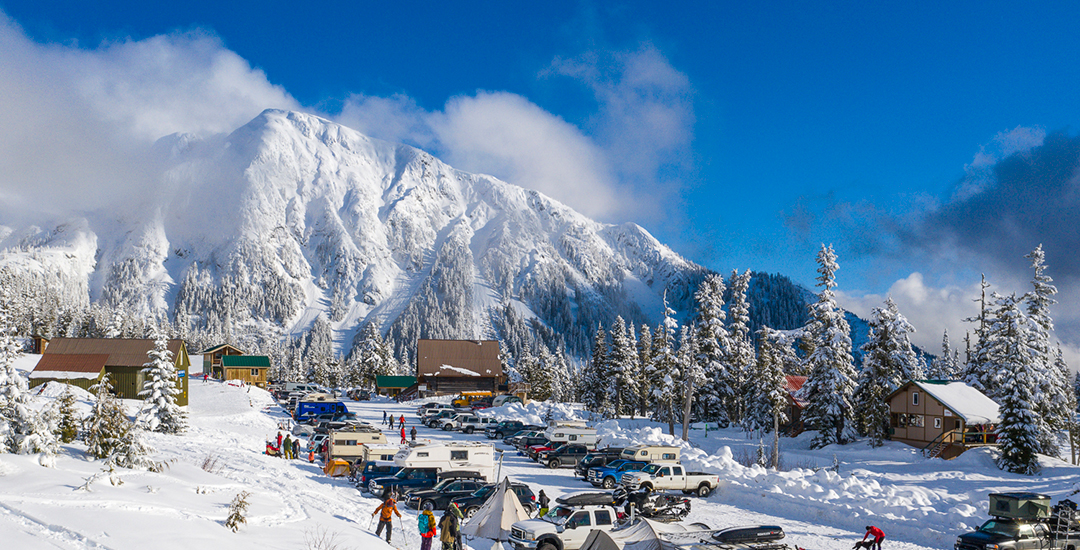
North Vancouver Island conjures up images of majestic old growth forests, proud First Nation peoples, kayakers ogling orca whales and no-nonsense loggers, miners and fishers. Yet it’s also a place where people with divergent stories did something that seems almost unthinkable today. They all worked together and built a community ski hill that’s become a worldwide sensation: Mount Cain.
Skiers And Snowmobilers Working Together?
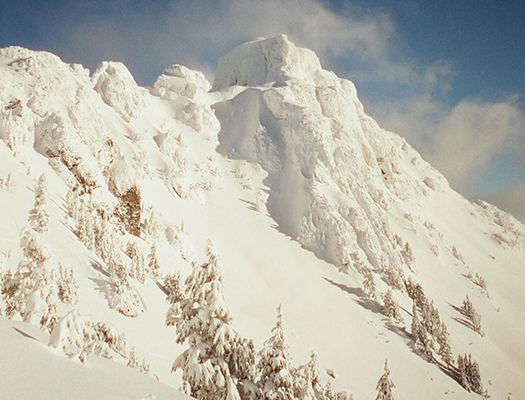
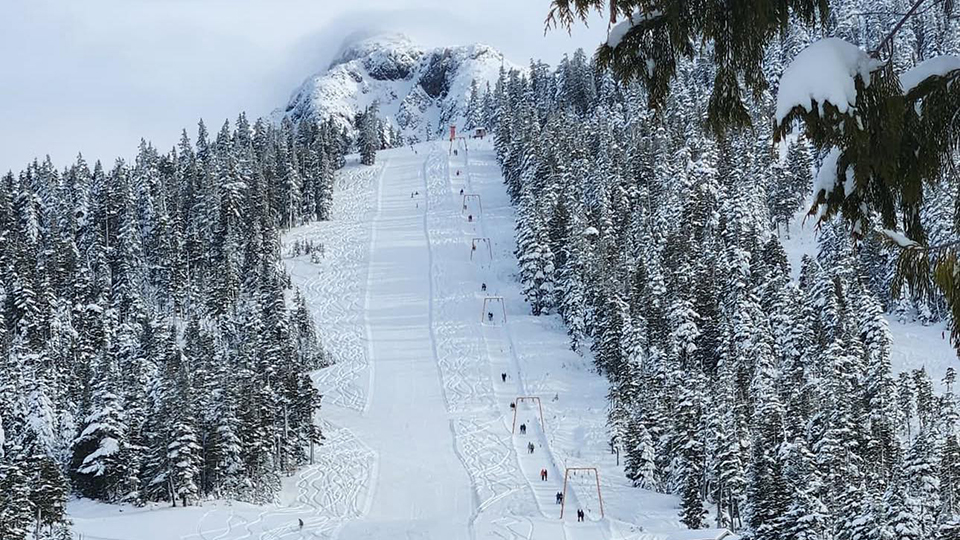
Winters can be long on North Vancouver Island. Fortunately, the mountains are beautiful and the snow, like the terrain, can be epic. What better place to open a ski hill that various nearby communities could own, operate and use? To find out, a group of skiers and snowmobilers (who were mostly loggers) began scouring the Crown Land near Port McNeill for a suitable hill. In 1971 they hit the jackpot! The following year, they formed the Mount Cain Ski Club (MCSC) and unveiled their rather ambitious plan to run a 3,000-foot-long rope tow up the west bowl of Mount Cain.
“Mount Cain is for the people, by the people, and the community that keeps it running does so for the love of the mountain and skiing the terrain.”
– Lucas Smith, Director of Communications
A Change Of Name, But Not Of Heart
The Mount Cain Ski Club was renamed the Mount Cain Alpine Park Society (MCAPS) in 1972, and officially incorporated as a non-profit under the auspices of the Regional District of Mount Waddington (RDMW). By then, keen skiers had already begun enjoying Mount Cain’s bountiful snows and inviting slopes. According to current communications director, Lucas Smith, “Mount Cain’s opening is probably best described as a staggered start. It has been ever-evolving over the years.”
One Step At A Time
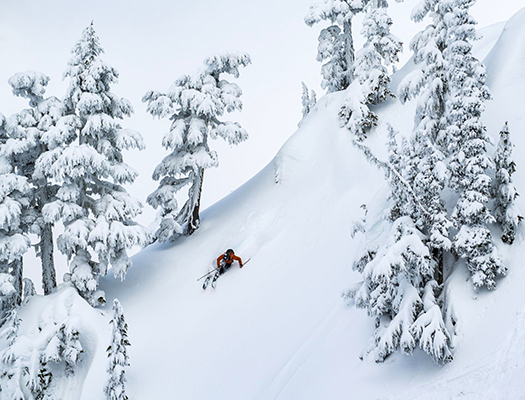
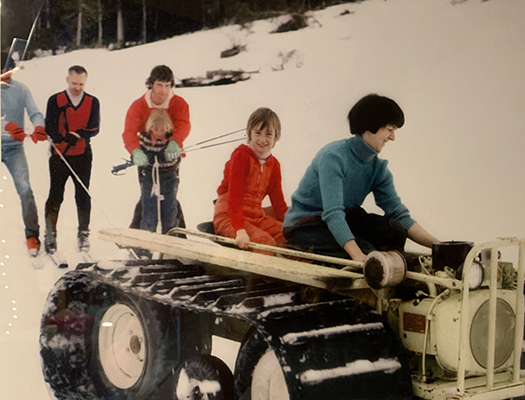
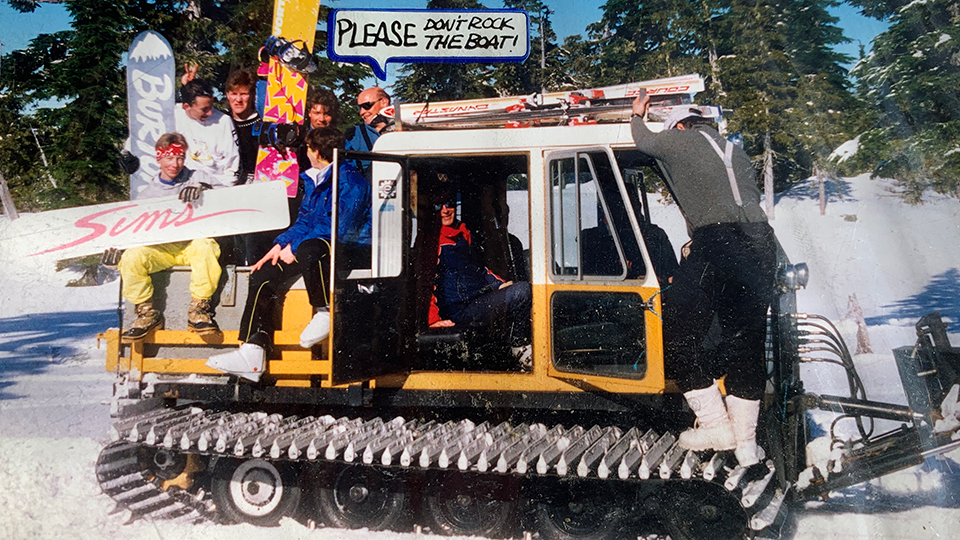
Initially, skiers had to either hike or snowmobile up the west bowl before hazarding their powdery descent. In 1974 a local, named Bill Coyne, donated his portable, homemade rope tow that pulled enthusiastic skiers up to the top of the two runs that gently ran down lower West Bowl. Says Lucas, “There’s mention of a snowcat in 1975.” Apparently, it was stolen but not found until two or three years later, when Canfor (Canadian Forest Products) built an access road up to what is now Mount Cain’s almost mythical base area.
The Work Begins In Earnest
In 1978, RDMW (the ski area’s official owner) was finally granted a permit to develop Mount Cain for skiing. Everyone was ecstatic. Loggers, teachers, foresters and others from various backgrounds worked together and did everything they could to get their community ski hill up and running. While loggers performed most of the heavy lifting (felling trees and clearing trails) almost everyone lent a hand. Says Mike Green, Director of Operations – Roads and Generators, “Many people chipped in and helped with all the paperwork and the meetings in support of those who were doing the manual work.” In the end, Mount Cain was entirely built by local blue- and white-collar workers with nary a single, snooty turtleneck in sight.
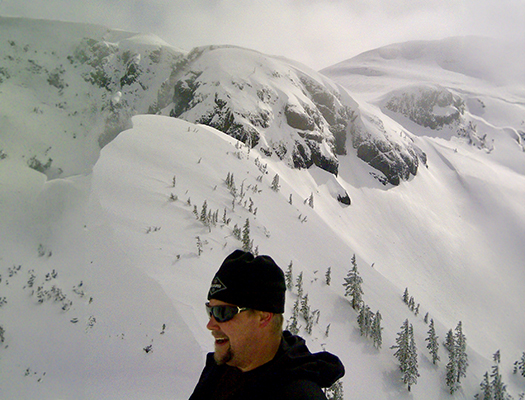
“Many children have grown up on the mountain, learned to ski and gotten their first jobs at Mount Cain.”
– Mike Green, Director of Operations – Roads and Generators
Harnessing The Power Of Youth
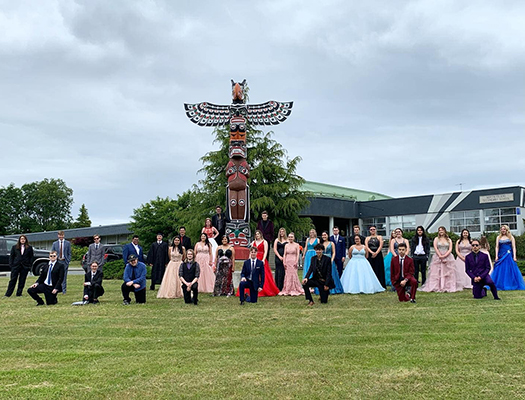
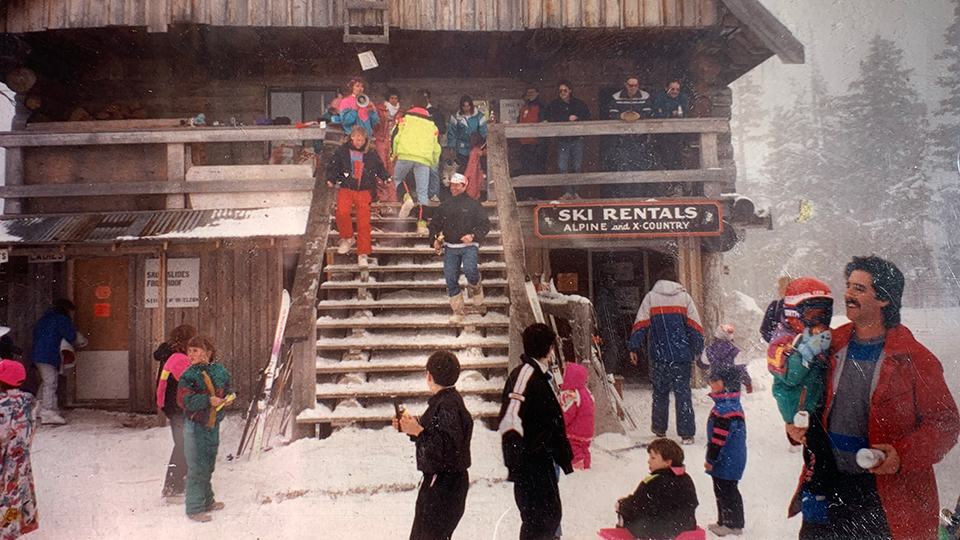
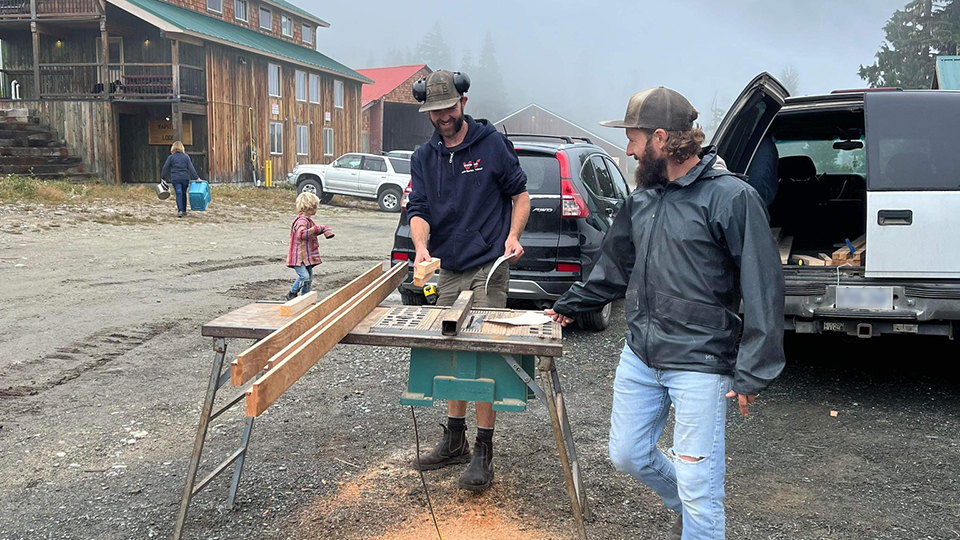
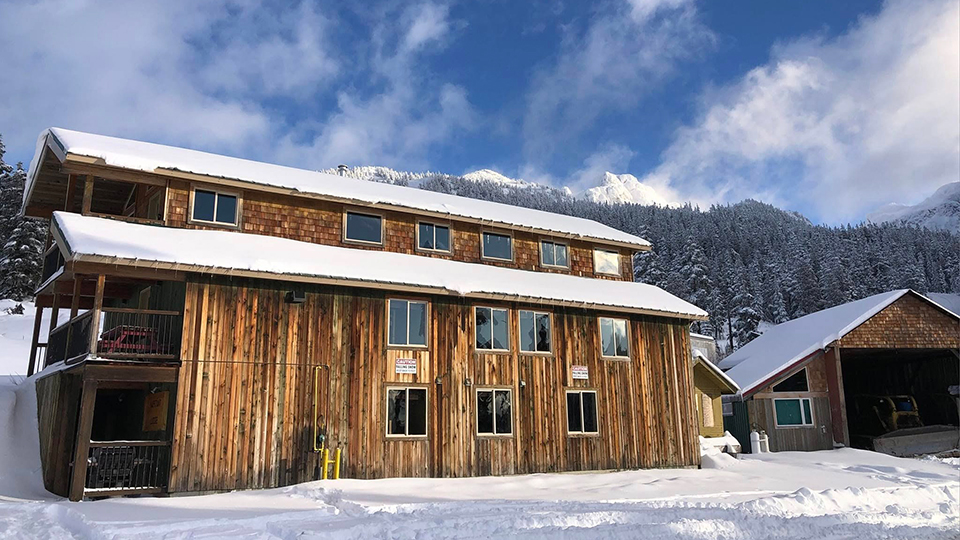
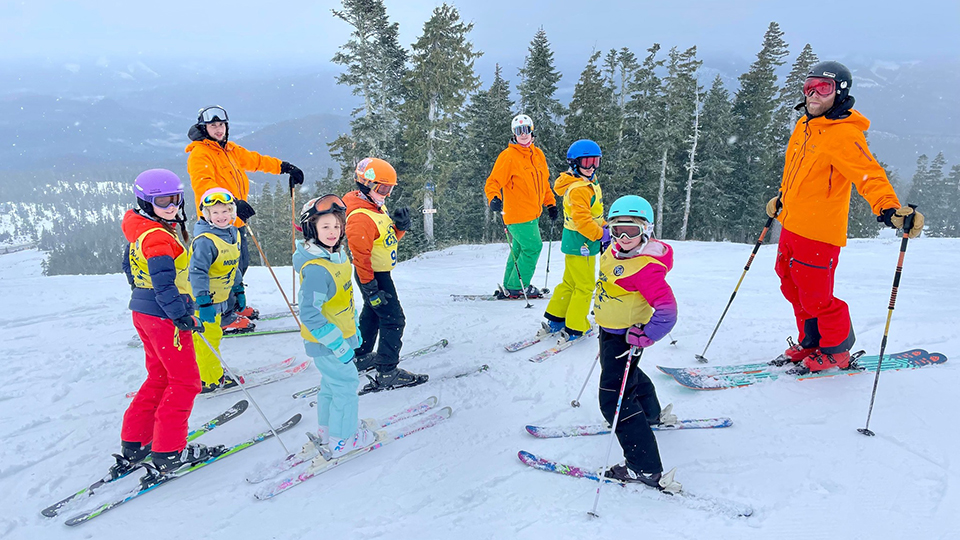
The following year, a North Island Secondary School teacher named Thor Nash put his woodworking students to work. Using the massive logs that Canfor had previously cut, they helped finish building Mount Cain’s iconic base lodge. The Mount Cain Alpine Parks Society has been working with teens throughout the area ever since. According to Lucas, “MCAPS is the largest seasonal employer of North Vancouver Island youth each winter and it’s where many work their first jobs.”
A Total Community Effort
This spirit of ‘all for one and one for all’ permeates Mount Cain’s DNA. Its constitution calls on MCAPS, “To provide employment opportunities and affordable, sustainable recreation for North Islanders. To maintain Mount Cain as a viable ski community… continue to emphasize its niche market appeal… pursue modest expansion… maintain the current equipment and assets in working order and replace older equipment as required.” Today, this ethos also defines the working relationship between Mount Cain’s steadfast volunteers and its hired staff.

Together, We Work & Ski & Play
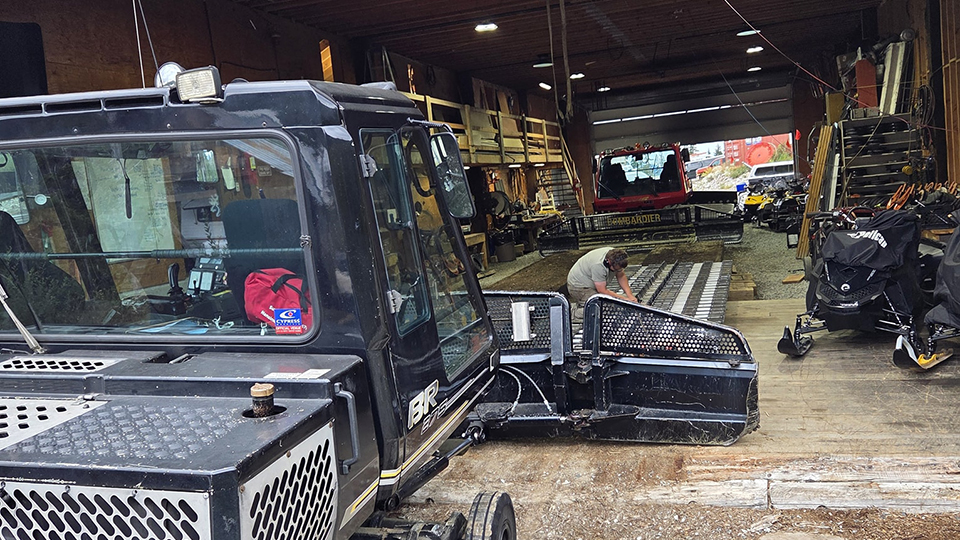
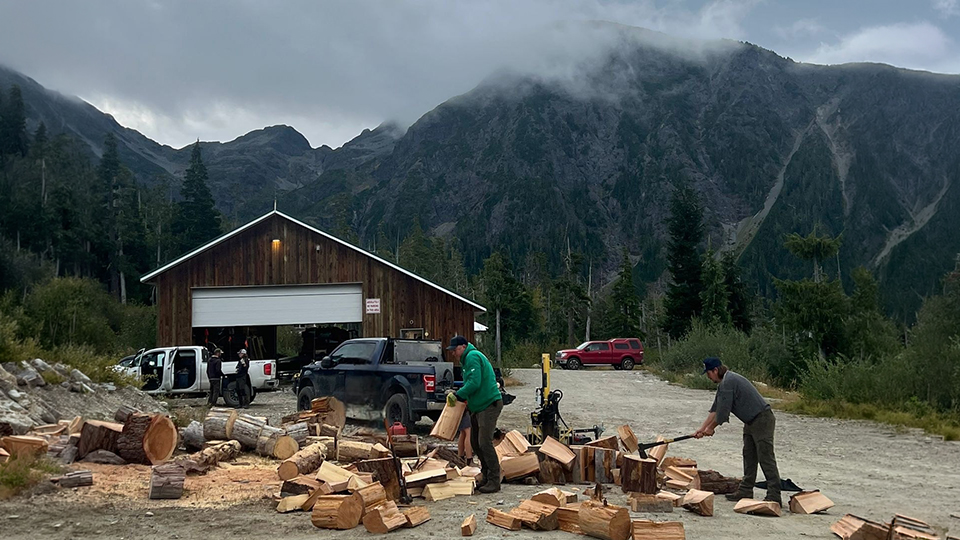
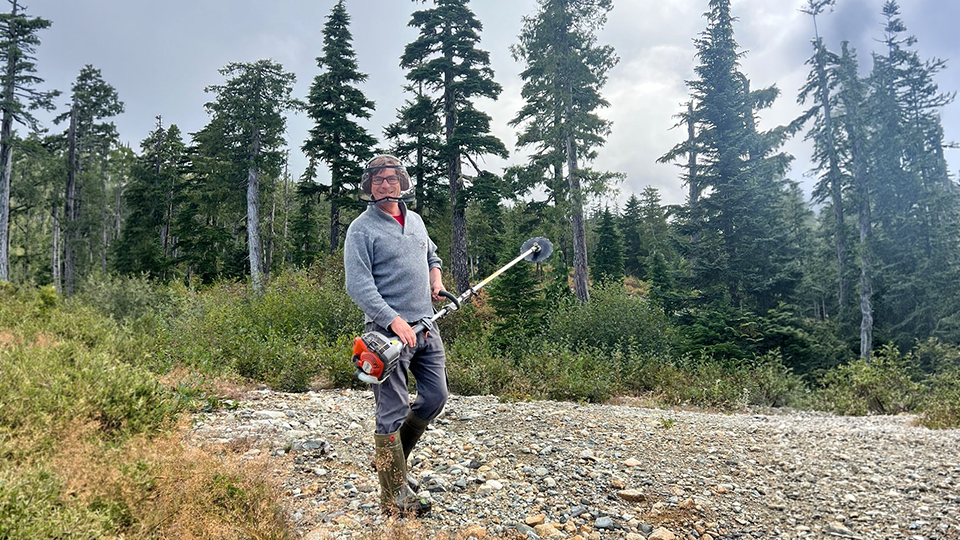
Since its inception, MCAPS members have voted in Mount Cain’s board of directors. In turn, the all-volunteer board recruits all the volunteers and hires the paid workers who basically run the hill. Working together, they tackle everything from plowing the parking lot and the 16-kilometre-long access road, to selling tickets, manning the lifts, grooming the snow, patrolling the slopes and supervising summer operations. Not to be outdone, North Vancouver Island businesses are equally invested. In addition to volunteering their time, expertise and hard work at Mount Cain, they have always provided materials, tools and heavy equipment whenever they’re needed.
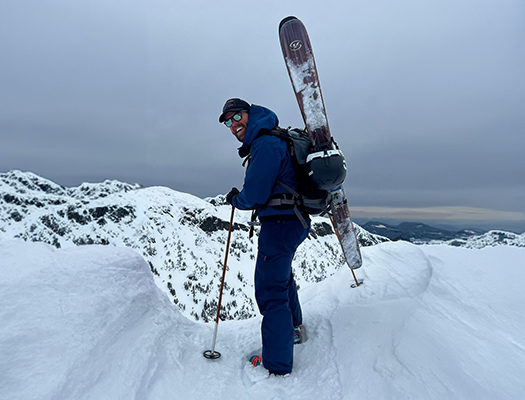
“Mount Cain would not be what it is today without the support, donation of time, equipment and resources of the local forestry companies and industry. The ties run deep to say the least.”
– Lucas Smith
A Slow And Measured Approach
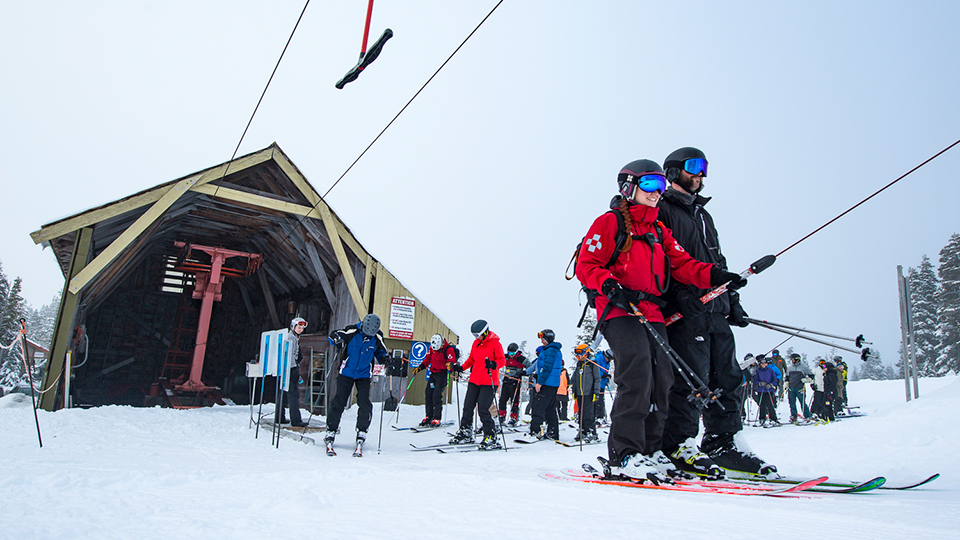
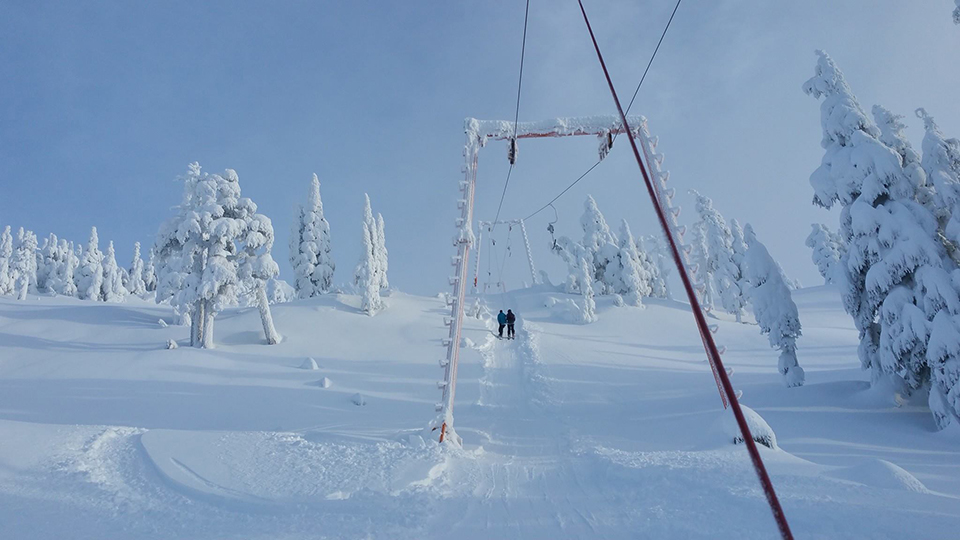
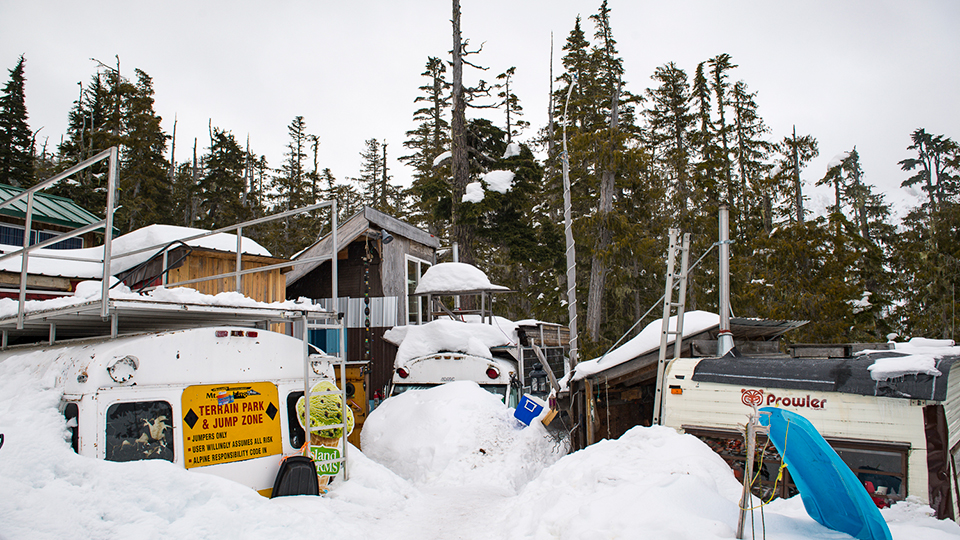
It took almost two decades to clear Mount Cain’s base area, cut most of the trails and install the deep-snow-worthy lifts and facilities. By 1988, the hill had a handsome trail network, an accommodating base lodge, a handle tow and two T-bars that served the lower and upper halves of the mountain, respectively. More impressive still, at 1,190 metres, Mount Cain boasted the third highest base elevation among Canada’s 239 alpine ski areas. (Only Whistler and Kicking Horse have higher skiable summits.) Topping it all are the northern coastal snowfalls that typically range somewhere between totally awesome and downright epic. And then there’s the trailer park: Mount Cain’s uniquely charming and unforgettably ‘authentic’ base village.
An Eye-popping Village Befitting Blockbuster Snowfalls
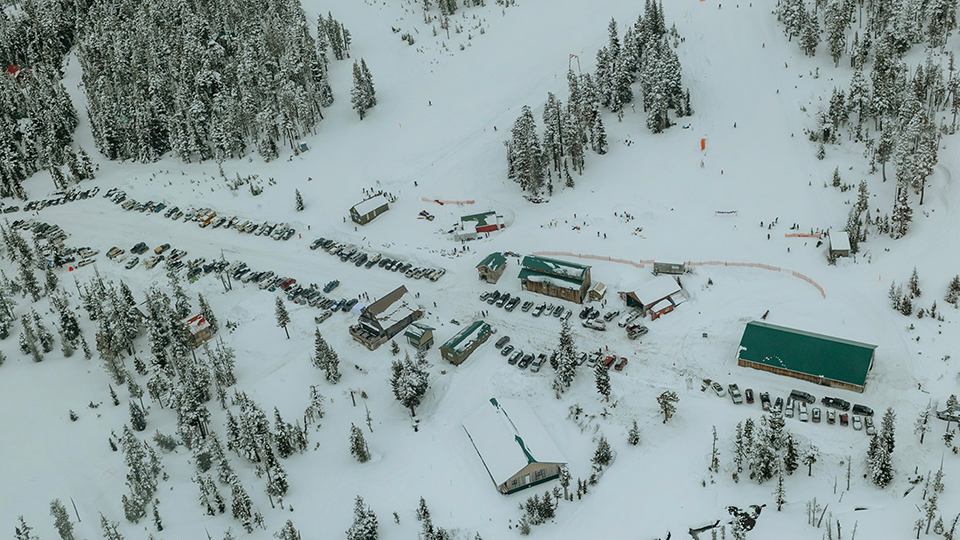
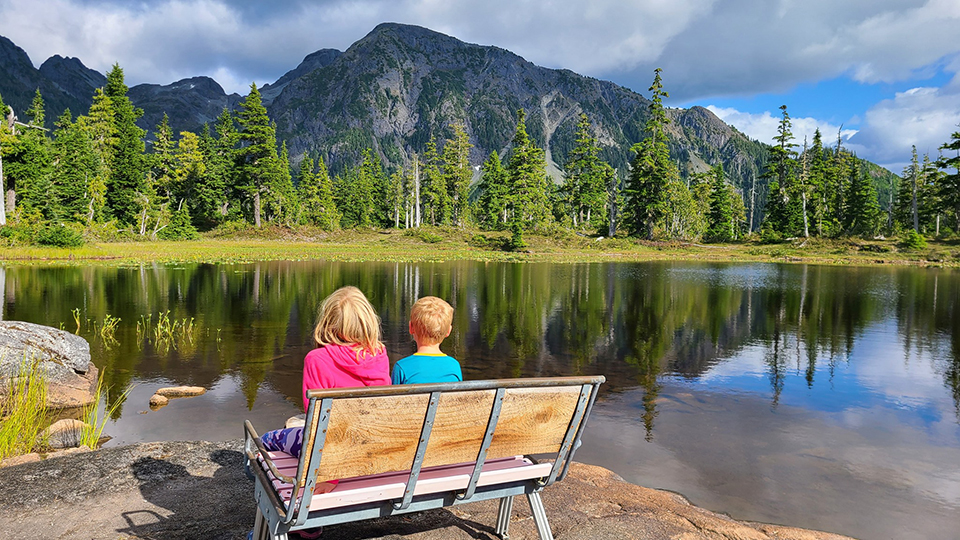
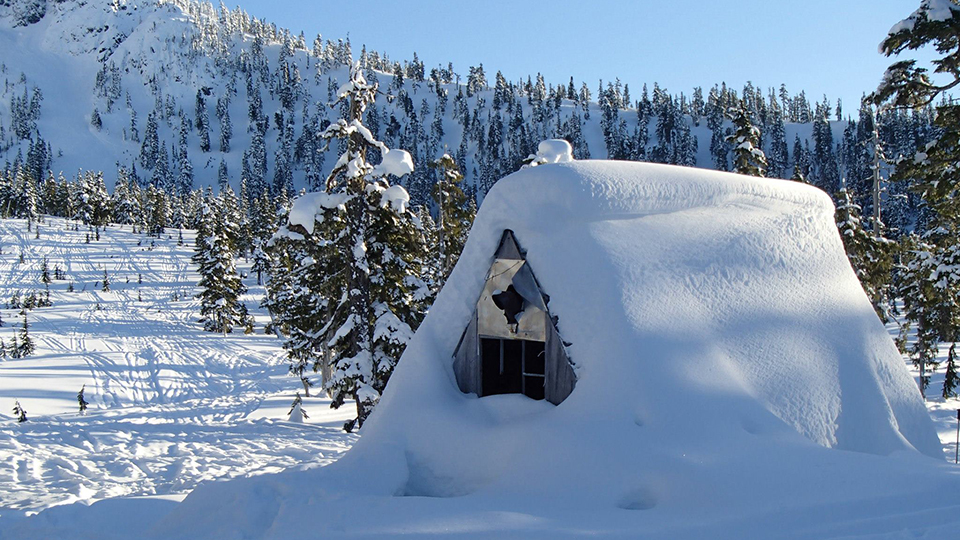
Initially, Mount Cain volunteers set up a small and totally improvised trailer park in the base area for tailgate gatherings and winter camping. Then in 2002, 52 somewhat rustic wood cabins were built and either sold outright or rented out for the season. Lucky overnight guests could also find accommodations in the 10-person Sointula Lion’s cabin. The Namgis First Nation people have also built their community cabin here. Mount Cain’s relative isolation and limited resources meant that, despite its amazing stats, it remained virtually unknown outside of North Vancouver Island. All that changed in 2019, when Matchstick Productions released a short documentary aptly called Frozen In Time in which it named Mount Cain, “The best ski area you’ve never heard of.”
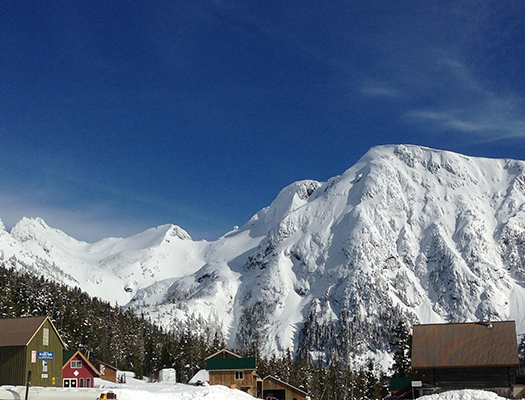
“With ʼNa̱mg̱is First Nation building a community cabin adjacent to the lodge and working with the society to provide accommodations to their members and the general public, and showing their support, it provides exciting opportunities for MCAPS operating on their Territory.”
– Mike Green
Teaching An Old Dog New Tricks
The film showcased the mountain, the old trailer park, three pro-skiers and some faux-thentic-made-for-viewing-only wood cabins. But the real stars were Mount Cain’s awesome snow, monster terrain, antiquated equipment and unashamedly rudimentary charms. All of it was punctuated by fearless, fun-loving, local kids tearing up the slopes, and some very well-grounded adults. Which is how and why skiing’s best-kept secret started popping up on almost every serious backcountry skier’s to-do list. Today, Mount Cain hosts about 9,400 skiers annually even though it’s only open three days a week, barring holidays, school days and special events. (Only half the mountain is open on Mondays.) While the steady stream of backcountry brave-hearts willing to tackle the six-hour trek from Victoria are always welcome, Mount Cain remains a small, tightly-knit, community ski hill. Or as a bumper sticker here unabashedly puts it: ‘Cain Sucks, Tell Your Friends.’
Writer: Dave Fonda
Web designer & integrator: Dominique Paquette
Photographs and videos courtesy of Mount Cain and used with their permission.
© 2026 Canadian Ski Hall of Fame Museum. All rights reserved. No part of this publication may be reproduced, distributed, or transmitted in any form or by any means without prior written permission.